

Abacus Motorhomes
Looking After Your Motorhome Guide
Abacus Motorhomes Advice Hub
Looking After Your Motorhome: The Complete Maintenance Guide
Looking after your motorhome is essential for keeping it safe, comfortable and ready for your next adventure. From regular cleaning and servicing to preventing damp and protecting your vehicle during winter, a little routine maintenance can help avoid expensive repairs and preserve your motorhome for years to come.
Whether you own a brand-new motorhome or a well-loved pre-owned model, this guide explains how to care for your vehicle inside and out, which checks to carry out throughout the year, and when to book professional motorhome servicing.
What do you need help with?
A motorhome is both a vehicle and a living space, so looking after one involves more than simply keeping the bodywork clean. You need to maintain the engine, tyres and brakes while also checking the habitation area, appliances, plumbing, electrics, seals and ventilation. The best approach is to follow the manufacturer's handbook, keep a record of maintenance and deal with small problems before they become bigger ones.
1. Motorhome Maintenance: Where Should You Start?
Regular motorhome maintenance helps you spot wear, leaks and developing faults early. It can also make touring more enjoyable by reducing the likelihood of unexpected problems when you're away from home.
Start by reading the handbook supplied with your motorhome. Maintenance schedules, recommended products, tyre pressures, fluid specifications and appliance instructions can vary between manufacturers and models. If you have bought a pre-owned motorhome, check what service records and appliance documentation are available.

Inspect Your Motorhome Regularly
Look over the exterior, roofline, windows, doors, seals and storage lockers. Inside, check for unusual smells, damp patches, loose fittings and signs of water ingress.
Remember: Small changes can be an early warning that something needs attention.
Keep a Maintenance Record
Record servicing dates, repairs, tyre replacements, damp checks and work carried out on appliances. Keep invoices and relevant documents together so you can refer to them when needed.
Remember: Records can help you plan upcoming maintenance and understand your vehicle's history.
Follow the Manufacturer's Schedule
Use the servicing and inspection intervals specified for your particular motorhome, base vehicle and installed equipment. Some checks may be required annually or at other defined intervals.
Remember: A vehicle service and a habitation check cover different areas of the motorhome.
Our tip: Create a recurring reminder for annual servicing and other checks specified by the manufacturer. Don't wait until the start of your main holiday to discover that something needs attention.
2. How to Clean Your Motorhome Inside and Out
Regular motorhome cleaning helps keep the vehicle looking its best and makes it easier to identify potential problems. Dirt can hide scratches, damaged seals and small areas of deterioration, while neglected interior surfaces can develop stains and unpleasant odours.
Cleaning the exterior of your motorhome
Choose a suitable day and use cleaning products designed for motorhome or vehicle surfaces. Strong chemicals, abrasive pads and unsuitable pressure-washing techniques can damage paintwork, decals, plastics, seals and other finishes.
- Rinse loose dirt away before washing to reduce the risk of scratching the surface.
- Use a suitable vehicle shampoo and a soft wash mitt or sponge.
- Clean carefully around windows, vents, door seals, lockers and exterior fittings.
- Use a soft brush and suitable cleaning products for areas that are difficult to reach, including roof surfaces where safe access is possible.
- Rinse away cleaning products thoroughly and dry windows with a suitable cloth.
- Inspect the bodywork and seals while cleaning, looking for cracks, damage or signs of water ingress.
- Follow the manufacturer's advice for decals, painted surfaces, acrylic windows and roof materials.
Safety first: Never climb onto a motorhome roof unless the manufacturer confirms it is designed to be walked on and you have suitable access and fall protection. If roof cleaning or inspection cannot be carried out safely, arrange professional assistance.
Cleaning motorhome windows and rooflights
Motorhome windows may use acrylic or other specialist materials that can scratch more easily than ordinary glass. Use the cleaning products and methods recommended by the manufacturer, and avoid abrasive cloths, household glass cleaners or solvents unless specifically approved.
Clean window seals and check for signs of cracking, shrinkage or damage. Rooflights should also be inspected for secure fittings and deteriorating seals. If you find a crack or suspect a leak, arrange an assessment rather than relying on a temporary cosmetic fix.
Cleaning the interior
The living area needs regular attention, particularly after trips involving wet weather, pets, cooking or extended stays. Clean surfaces with products suitable for the material and avoid excessive water around electrical fittings, control panels and joints.
- Vacuum carpets, upholstery and hard-to-reach corners.
- Wipe kitchen worktops, cupboard fronts, tables and frequently touched surfaces.
- Clean the fridge according to its manufacturer's instructions and leave it dry when not in use if recommended.
- Clean bathroom surfaces and remove residue from the shower area.
- Empty bins and remove food waste promptly.
- Allow the interior to dry thoroughly before closing the motorhome for storage.
- Check underneath mattresses, inside cupboards and around exterior walls for unusual moisture or musty smells.
Keeping the bathroom and kitchen fresh
Bathrooms and kitchens are particularly exposed to moisture, grease and residue. Use appropriate products for the surfaces, keep drains clear and clean the areas around taps and shower fittings. Check underneath sinks for signs of leaking pipes or damp cabinetry.
Follow the instructions for your toilet, waste tank and water system. Only use products approved for the specific equipment fitted to your motorhome.
Want a Professional Finish?
Our motorhome valeting services can help you keep your vehicle looking its best. Contact the Abacus team to discuss the available options for your motorhome.
3. How to Prevent Damp and Condensation in a Motorhome
Damp prevention is one of the most important parts of looking after a motorhome. Water ingress can damage furniture, wall panels, flooring and other internal structures. If moisture goes unnoticed, repairs can become costly and may affect the usability of the vehicle.
Condensation is also common in motorhomes because several people may be sleeping, cooking and showering in a relatively small space. The key is to distinguish ordinary condensation from a possible leak and investigate any persistent moisture.
Check seals, joints and openings
Inspect the accessible seals around windows, doors, rooflights, vents and exterior fittings. Look for cracking, gaps, lifting edges or visible damage. Check the surrounding interior surfaces for discolouration, bubbling, soft materials or musty smells.
Do not assume that a dry-looking surface means there is no problem. Water can travel behind panels and appear some distance from the original entry point. If you suspect water ingress, arrange a professional inspection.
Reduce condensation inside your motorhome
- Ventilate the living area regularly, using the fitted ventilation systems as intended.
- Use extractor fans when cooking or showering where fitted.
- Wipe away condensation from windows and other surfaces when it appears.
- Avoid drying large amounts of wet clothing inside without adequate ventilation.
- Keep the interior at an appropriate temperature when the motorhome is occupied in cold weather.
- Allow damp towels, shower areas and upholstery to dry before leaving the vehicle closed up.
- Check cupboards, storage areas and spaces beneath mattresses for trapped moisture.
Arrange regular damp inspections
A damp inspection can help identify moisture that is not obvious during everyday use. Follow the inspection schedule specified by your motorhome manufacturer, especially if checks are required to maintain a water-ingress warranty. Keep records of inspections and any remedial work carried out.
Warning signs to look for: Musty smells, unexplained staining, soft or swollen panels, peeling finishes, persistent condensation and visible mould can all indicate a moisture problem. Investigate the cause rather than simply covering up the affected area.
What should you do if you find damp?
If you suspect damp or a leak, identify and address the source as soon as possible. Avoid sealing over the area or carrying out repairs that could conceal the underlying issue. A professional inspection can establish the extent of the problem and help determine the appropriate repair.
Concerned About Damp or Water Ingress?
Contact the Abacus Motorhomes Service Centre to discuss your concerns and the next steps for getting your motorhome checked.
4. Motorhome Servicing: Vehicle Service vs Habitation Check
Regular professional motorhome servicing helps keep the vehicle roadworthy and the living area in good condition. It is important to understand that the mechanical vehicle service and the habitation check are not the same thing: they focus on different parts of your motorhome.
Mechanical vehicle servicing
The mechanical service covers the vehicle's base chassis and running equipment. Depending on the vehicle, its mileage, age and manufacturer's schedule, this may include inspections and maintenance relating to:
- Engine oil and filters.
- Brakes and associated components.
- Tyres, wheels and suspension.
- Steering and other safety-related components.
- Lights, wipers and other vehicle equipment.
- Fluid levels, leaks and general mechanical condition.
- Other checks or replacements specified by the base vehicle manufacturer.
The exact work required depends on the motorhome and its service schedule. Check the relevant handbook and service documentation rather than assuming every model needs the same work at the same interval.
What is a motorhome habitation check?
A habitation check focuses on the living accommodation and the systems fitted inside the motorhome. The inspection may include checks of accessible areas for damp or water ingress, windows and doors, ventilation, furniture, water systems, electrical equipment and installed appliances, depending on the inspection specification.
Gas and electrical safety checks should be carried out by appropriately qualified or competent professionals using the correct procedures for the equipment involved. A habitation check does not automatically mean every appliance has been fully serviced or that every possible fault has been ruled out, so check what is included in the service you book.
How often should a motorhome be serviced?
There is no single service interval that applies to every motorhome. The base vehicle may have its own time- or mileage-based schedule, while the habitation area and installed equipment may have separate inspection requirements. Manufacturer warranties can also specify required checks and records.
Check the documentation for your specific motorhome and book the relevant work within the required intervals. If you are unsure what is due, a service centre can help you establish which checks are appropriate for your vehicle.
Important: Don't rely on the annual MOT alone. An MOT is a legal roadworthiness test for applicable vehicles; it is not a substitute for scheduled mechanical servicing, habitation checks or appliance maintenance.
Book Motorhome Servicing with Abacus
The Abacus Motorhomes Service Centre can help you discuss servicing and maintenance for your motorhome. Get in touch to find out more about the services available and what your vehicle may need.
5. Looking After Motorhome Tyres, Batteries and Engine
Tyres, batteries and engine maintenance all play an important role in keeping your motorhome reliable. Even if your motorhome is used infrequently, these components still need attention. Long periods of standing can bring their own challenges, so check the manufacturer's guidance for storage and maintenance.
Checking motorhome tyres
Motorhome tyres carry substantial loads and may spend long periods parked in one place. Check them regularly, including before longer journeys, and use the pressures specified for your vehicle and loading conditions.
- Inspect the visible tyre sidewalls and tread for cuts, bulges, cracking or other damage.
- Check tyre pressures when the tyres are cold, following the vehicle manufacturer's instructions.
- Use the correct pressure for your vehicle and load rather than relying on a generic figure.
- Check the tyre's age and condition, especially if the motorhome has covered relatively few miles.
- Make sure tyres are suitable for the vehicle and comply with the manufacturer's specifications.
- Arrange a professional inspection if you notice damage, unusual wear or persistent pressure loss.
Tyres can deteriorate with age and exposure even when the tread appears reasonable. Ask a tyre professional for advice if you are uncertain about their condition or suitability.
Maintaining the engine and fluids
Follow the base vehicle manufacturer's schedule for engine oil, filters, coolant, brake fluid and other specified maintenance. Check fluid levels as directed in the handbook and look out for warning lights, unusual noises, leaks or changes in how the vehicle drives.
Do not ignore dashboard warnings or attempt repairs that you are not qualified to carry out. If something appears wrong, seek professional advice before continuing to use the vehicle where doing so could be unsafe.
Looking after your motorhome battery
Motorhomes may have a starter battery for the engine and one or more leisure batteries for the living area. These serve different purposes and may use different technologies, so follow the instructions for the batteries and charging equipment fitted to your vehicle.
- Understand how the starter battery and leisure battery are charged.
- If the motorhome will be stored, follow the manufacturer's guidance for maintaining or isolating the batteries.
- Use only suitable chargers and charging connections.
- Check for warning lights or battery-management messages if your system includes them.
- Keep battery areas accessible for appropriate inspection and avoid disturbing electrical connections unnecessarily.
- Arrange professional assistance if a battery repeatedly loses charge or the charging system appears faulty.
Our tip: A motorhome that is parked for weeks or months may still consume power through alarms, trackers, control systems and other equipment. Check your owner's handbook for the correct storage procedure rather than assuming the battery will remain charged indefinitely.
6. Maintaining Motorhome Water, Gas and Electrical Systems
The systems inside your motorhome make touring comfortable, but they need the right care. Follow the instructions supplied with your appliances and never attempt to repair gas or mains electrical systems unless you have the appropriate competence and qualifications.
Fresh water and waste water
Keep your fresh-water system clean and follow the manufacturer's instructions for sanitising tanks, pipes and outlets. The appropriate cleaning method and frequency depend on the system and the products used.
- Use water from suitable sources and follow campsite guidance when filling the tank.
- Clean and sanitise the system in accordance with the manufacturer's recommendations.
- Inspect accessible pipes, connections and fittings for signs of leaks.
- Empty waste-water tanks at appropriate disposal points.
- Keep caps, hoses and connectors clean and store them hygienically.
- Follow the correct draining and winterisation procedure when freezing conditions are possible.
Gas appliances and ventilation
Gas systems and appliances must be maintained in accordance with the manufacturer's instructions and applicable safety requirements. Keep ventilation openings clear and do not block vents to reduce draughts or heat loss.
If you smell gas, suspect a leak or notice an appliance behaving abnormally, stop using it and follow the safety instructions for your motorhome. If it is safe to do so, shut off the gas supply, ventilate the area and avoid flames or electrical switches where a gas leak may be present. Seek appropriate professional help before using the system again.
Electrical systems and hook-up
Motorhomes may have 12V systems, leisure batteries, mains hook-up equipment, solar panels, inverters and other charging equipment. The setup varies by model. Use the correct cables and connections, inspect accessible cables for visible damage and follow campsite instructions when connecting or disconnecting mains electricity.
Never use damaged electrical cables or equipment. If you notice overheating, burning smells, repeated tripping or other electrical faults, disconnect power if it is safe to do so and arrange an appropriate professional inspection.
Heating, fridge and other appliances
Check your appliance manuals for cleaning, inspection and servicing requirements. Keep air vents and flues clear, use appliances only as intended and do not ignore unusual noises, error codes or changes in performance.
Do not assume that a general motorhome service includes a full service of every fitted appliance. Confirm the scope of any appointment and arrange separate appliance maintenance where required.
7. Preparing Your Motorhome for Winter and Long-Term Storage
If you are not planning to use your motorhome for a while, preparing it properly can help reduce the risk of frost damage, damp, flat batteries and other problems. The right storage procedure depends on the vehicle, its equipment and the conditions in which it will be kept.
Clean and dry the motorhome
Give the exterior and interior a thorough clean before storage. Remove food and rubbish, clean the fridge according to its instructions and make sure wet areas have dried properly. Check the interior for damp and investigate any leaks before leaving the motorhome unused.
Protect the water system from frost
Freezing water can damage pipes, taps, pumps, boilers and other components. If the motorhome will be exposed to freezing temperatures, follow the manufacturer's winterisation instructions carefully.
- Drain the fresh-water and waste-water systems where required by the manufacturer's procedure.
- Follow the specific instructions for the boiler, water heater, filters and pumps.
- Check whether any components require additional steps to prevent frost damage.
- Do not assume that draining one tank means the entire system is empty.
Look after the batteries
Follow the recommended procedure for the starter and leisure batteries during storage. Depending on the battery type and electrical system, this may involve maintaining charge, isolating certain circuits or checking charge levels at specified intervals.
Reduce damp and improve ventilation
Make sure the interior is dry before storage and follow the manufacturer's recommendations for ventilation. Check the motorhome periodically where possible, particularly after prolonged wet weather or significant temperature changes.
Choose suitable storage and protection
Where possible, park on suitable, stable ground in a secure location. Avoid covering the motorhome with an unsuitable sheet that can trap moisture or damage exterior finishes. If using a cover, choose one designed for your vehicle and follow the manufacturer's fitting instructions.
Remember: A motorhome in storage still needs attention. Follow the handbook for tyre care, battery maintenance, ventilation and periodic inspections, and check the vehicle before returning it to regular use.
8. Checks to Carry Out Before Every Motorhome Trip
Before setting off, take a few minutes to check the condition of the vehicle and make sure everything is ready for travel. These simple checks do not replace scheduled servicing, but they can help you spot obvious problems before they become a bigger issue on the road.
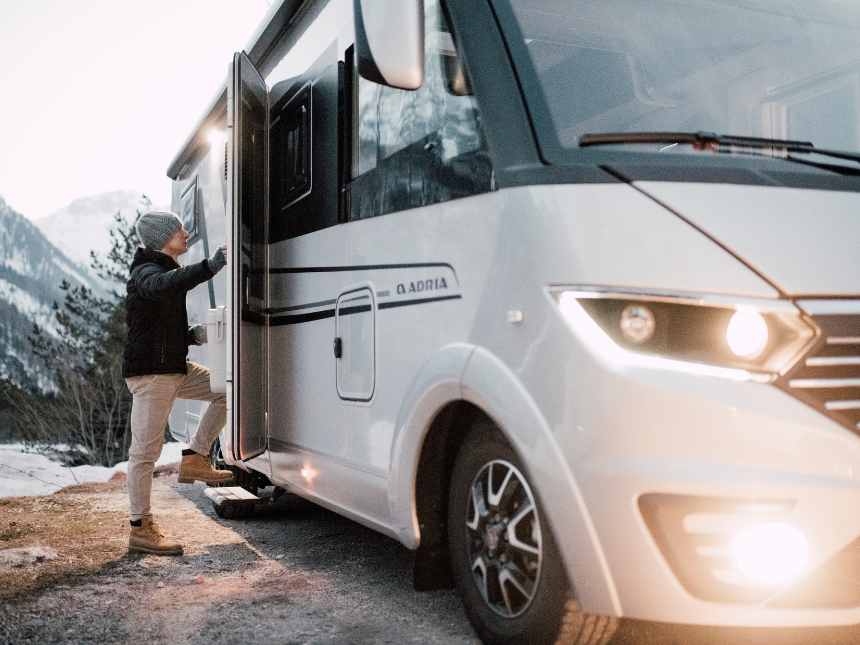
Exterior and Tyres
Check the tyres, visible lights, windows, doors, lockers and external fittings. Look for obvious damage, leaks or anything that could be unsafe.
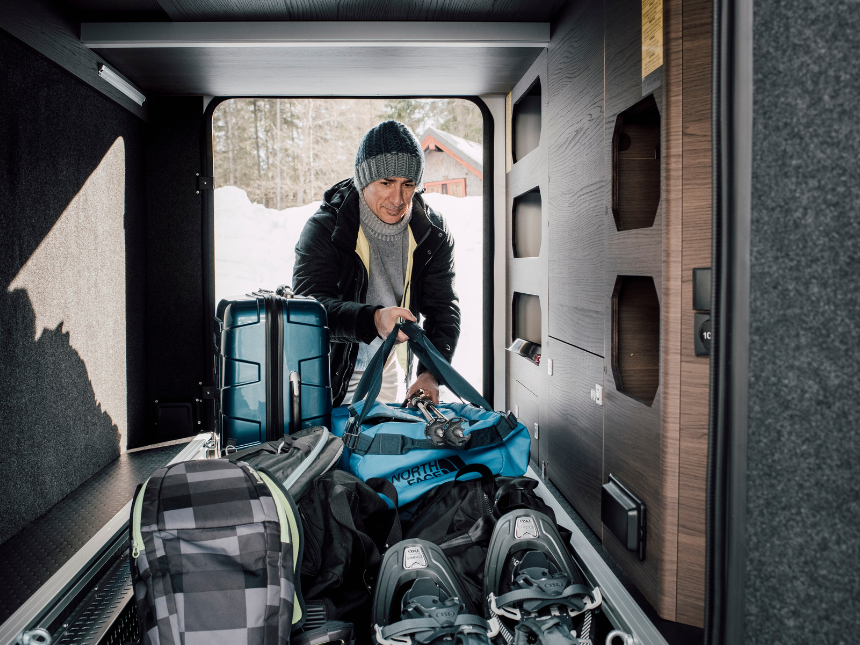
Interior and Equipment
Secure loose items, close cupboards and drawers, latch the fridge and check windows and rooflights are properly secured for travel.
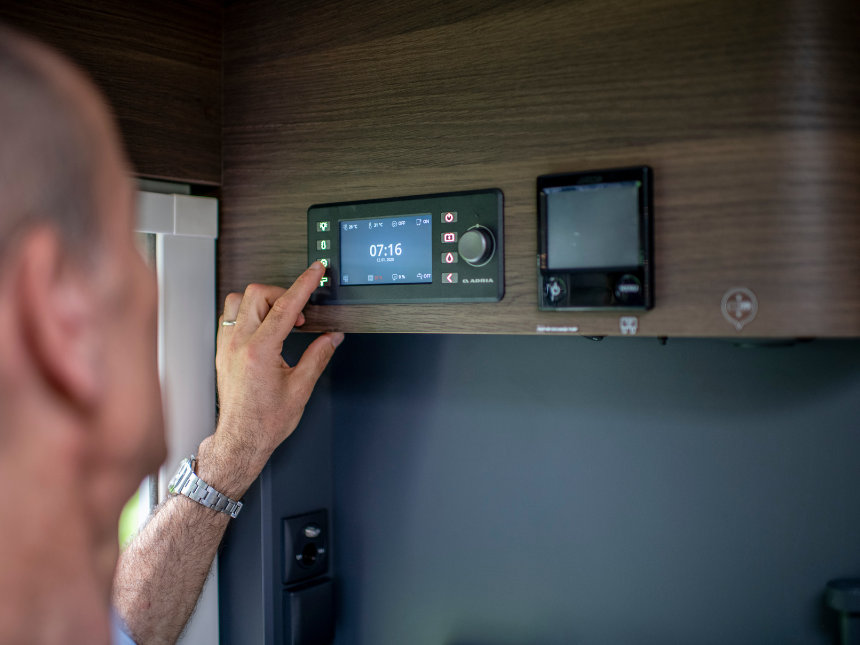
Systems and Documents
Check fuel, warning lights and any system indicators. Make sure you have the relevant documents, breakdown details and route information.
Before leaving a campsite
- Disconnect the electrical hook-up cable and any other site services.
- Empty or secure waste systems as appropriate for travel.
- Retract the awning and stow steps, levelling equipment and outdoor furniture.
- Secure external lockers and storage compartments.
- Check bike racks and other external loads are correctly secured.
- Make sure passengers are seated in designated travel seats and wearing seatbelts as required.
- Walk around the vehicle and check that the route out is clear.
9. Common Motorhome Maintenance Mistakes to Avoid
Many motorhome problems can be made worse by delaying inspections or using unsuitable cleaning products and repair methods. Avoid these common mistakes when caring for your vehicle.
- Ignoring small leaks: Water ingress can cause damage behind panels and furniture. Investigate suspected leaks promptly.
- Forgetting the habitation check: Mechanical servicing alone does not cover every part of the living area.
- Using the wrong cleaning products: Abrasive cleaners and unsuitable chemicals can damage acrylic windows, seals, plastics and finishes.
- Neglecting tyres because the motorhome is rarely used: Tyres can deteriorate with age and storage as well as mileage.
- Leaving water in the system during freezing weather: Follow the correct winterisation procedure to help prevent frost damage.
- Assuming the batteries will stay charged: Electrical equipment may continue drawing power while the vehicle is parked.
- Blocking ventilation: Proper ventilation is important for moisture management and the safe operation of relevant appliances.
- Attempting unsuitable DIY repairs: Gas, mains electrical and structural water-ingress issues may require specialist assessment.
- Missing manufacturer requirements: Check warranty conditions and required service intervals for your specific model.
- Skipping checks before a long trip: Inspect the motorhome before departure rather than relying solely on the last service.
10. Your Complete Motorhome Maintenance Checklist
Use this checklist as a starting point for your motorhome maintenance routine. The correct frequency for each task depends on the manufacturer's guidance, how often you use the vehicle and the conditions in which it is stored.
Before every trip
- Check tyres for visible damage and confirm pressures as recommended.
- Check lights, windows, doors and exterior lockers.
- Look for visible leaks or unusual changes in the vehicle.
- Secure loose items, cupboards, drawers and the fridge.
- Stow steps, awnings, cables and external equipment.
- Check fuel, warning lights and relevant system indicators.
- Disconnect campsite services and complete a walk-around check.
Regularly during the touring season
- Wash the exterior using suitable cleaning products.
- Clean the living area, kitchen and bathroom thoroughly.
- Check seals, windows, rooflights and accessible fittings for damage.
- Look for signs of damp, condensation or water ingress.
- Check accessible water pipes and connections for leaks.
- Monitor battery performance and follow the recommended charging procedure.
- Inspect tyres and keep an eye out for unusual wear or pressure loss.
At the manufacturer's specified service intervals
- Arrange mechanical servicing in line with the base vehicle manufacturer's schedule.
- Arrange the appropriate habitation inspection and damp check.
- Check any requirements linked to the motorhome's warranty.
- Arrange maintenance for fitted appliances and systems where required.
- Keep service records, inspection reports and invoices together.
- Deal with recommended repairs and any safety-related faults promptly.
Before winter or long-term storage
- Clean the motorhome and allow the interior to dry thoroughly.
- Remove food and rubbish and clean the fridge as directed.
- Winterise the water system according to the manufacturer's instructions.
- Prepare the starter and leisure batteries for storage.
- Check ventilation and investigate existing damp or leaks.
- Use suitable storage protection and follow the vehicle's storage guidance.
- Plan periodic checks while the motorhome is not in use.
Keep this checklist handy: A simple maintenance record makes it easier to remember what has been checked, identify what is due next and prepare your motorhome for the next adventure.
11. Frequently Asked Questions About Looking After Your Motorhome
How often should I service my motorhome?
Follow the service schedule for your motorhome's base vehicle and the requirements for its habitation area and installed equipment. These may have different intervals, so check the relevant manuals and warranty conditions rather than relying on one universal schedule.
What is the difference between a motorhome service and a habitation check?
A mechanical service focuses on the base vehicle, including relevant engine, braking, tyre and chassis-related maintenance. A habitation check focuses on the living area and may include inspections of damp, seals, furniture, water systems and installed equipment. Confirm exactly what is included when booking.
How can I stop damp in my motorhome?
Inspect seals and accessible joints regularly, address leaks promptly, ventilate the living area and allow wet surfaces to dry. Check cupboards and areas beneath mattresses for moisture, and arrange professional assessment if you notice persistent damp, musty smells or signs of water ingress.
Can I use a pressure washer to clean my motorhome?
Use caution. High-pressure water can damage seals, decals, vents and other components if used incorrectly. Follow your motorhome manufacturer's cleaning instructions and use suitable products and techniques for the surfaces involved.
Should I leave my motorhome plugged into mains electricity when it is stored?
This depends on the motorhome's electrical system, battery type and charging equipment. Follow the manufacturer's storage guidance and use only a suitable charging arrangement. If you are unsure, ask a qualified professional for advice specific to your vehicle.
How do I protect my motorhome during winter?
Clean and dry the vehicle, follow the correct water-system winterisation procedure, prepare the batteries for storage and keep an eye out for damp. Check the handbook for any additional requirements for your model and fitted appliances.
Do I need a damp check if I cannot see any signs of damp?
Follow the inspection intervals specified by your manufacturer, especially where checks are required by the warranty. Damp can develop out of sight, so the absence of obvious staining or smells does not necessarily mean there is no moisture problem.
Can I carry out motorhome maintenance myself?
Many routine tasks, such as cleaning, visual inspections and checking the handbook, can be carried out by owners. Gas systems, mains electrical work, structural repairs and other specialist tasks should be assessed and handled by appropriately qualified or competent professionals. Always follow the manufacturer's instructions.
Keep Your Motorhome Ready for Your Next Adventure
Looking after your motorhome does not need to be complicated. Regular cleaning, routine checks, damp prevention and maintenance in line with the manufacturer's schedule can help you identify issues early and keep your vehicle ready for touring.
If your motorhome needs professional attention, the Abacus Motorhomes team can help you explore the servicing and valeting options available.
Have a question about maintaining your motorhome? Get in touch with our team to discuss your requirements.
Explore More from Abacus Motorhomes
For more information about choosing and caring for a motorhome, explore the motorhome advice and vehicle options available from Abacus Motorhomes.
- Abacus Motorhomes Service Centre – discuss servicing and maintenance for your motorhome.
- Motorhome Valeting Services – find out about professional cleaning options.
- Contact Abacus Motorhomes – speak to the team about your requirements.