
Hire Information

Motorhome Hire Tips & Advice

Ready to explore more of the UK? Here are some motorhome road trips ideas designed to give you inspiration for your next adventure, from beautiful coastlines and peaceful countryside to dramatic mountains, national parks and some of Britain's most scenic driving roads.

Whether you're planning a short break, a week away or a longer touring holiday, these routes give you ideas for where to go, what to see and how long you may want to allow. We've also included estimated driving distances so you can get a better idea of the journey before you set off. Read the whole guide for tips for how to plan your roadtrip.

Every route is only a guide. Driving distances and journey times will vary depending on where you start, where you stay, traffic, road conditions and how many detours you make along the way. These estimates are based on pick up and drop off here at our base in Andover, Hampshire.

New Forest motorhome road trip

New Forest

Escape into the New Forest for a relaxed motorhome adventure through ancient woodland, open heathland, pretty villages and quiet country lanes. It's an ideal choice for a shorter getaway and a great introduction to touring by motorhome.

Recommended time 3–4 days
Estimated driving 70–100 miles

Areas of interest

  • Brockenhurst
  • Lyndhurst
  • Beaulieu
  • Burley
  • Rhinefield Forest
  • New Forest villages

Things to see and do

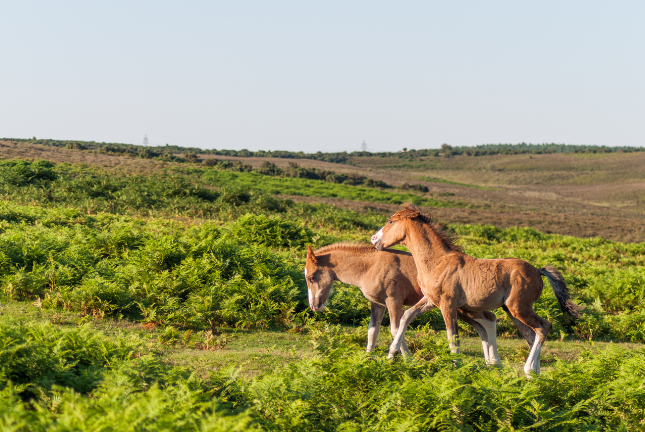
  • New Forest ponies and wildlife
  • Beaulieu and the National Motor Museum
  • Beaulieu Abbey and Palace House
  • Forest walks and cycle routes
  • Traditional pubs and cafés
  • Walking and cycling through the forest
Why take this route?

A relaxed route with relatively little driving, making it perfect for a long weekend or first motorhome adventure.
Bournemouth and South Coast road trip

Bournemouth & South Coast

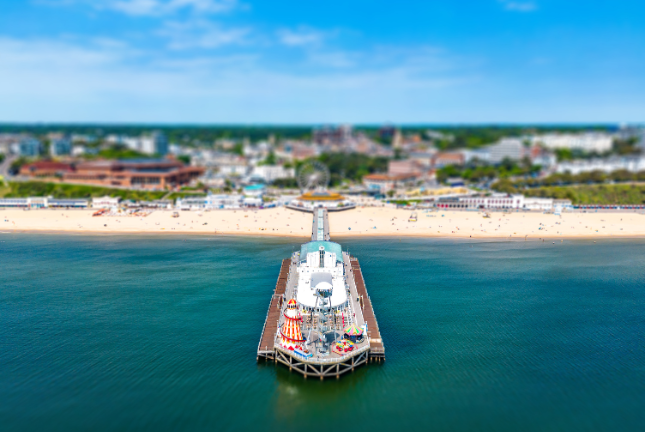
Combine beaches, seaside towns, coastal walks and beautiful countryside on a South Coast motorhome adventure. Bournemouth makes a great base for exploring the coastline in both directions.

Recommended time 3–5 days
Estimated driving 100–140 miles

Areas of interest

  • Bournemouth
  • Christchurch
  • Hengistbury Head
  • Poole
  • Sandbanks
  • Swanage
  • Studland Bay

Things to see and do

  • Bournemouth beach and seafront
  • Christchurch Harbour
  • Hengistbury Head
  • Poole Harbour
  • Sandbanks
  • Swanage
  • Studland Bay
  • Coastal walks and viewpoints
Motorhome tip

Allow extra time during the summer months, when the South Coast can become particularly busy.

Jurassic Coast motorhome road trip

Jurassic Coast

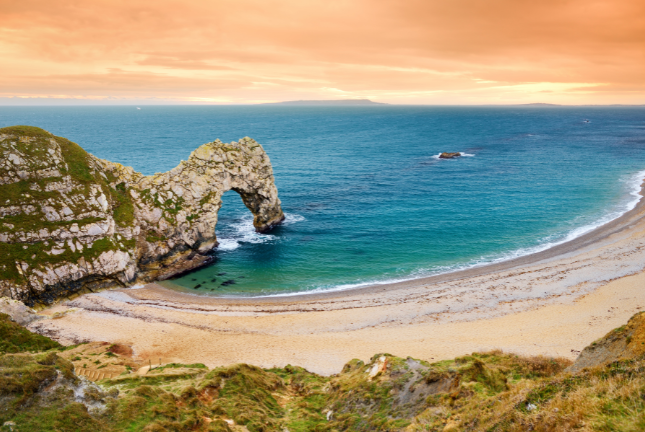
Follow one of Britain's most spectacular stretches of coastline, travelling through Dorset and East Devon and discovering beaches, cliffs, fossils, harbour towns and some incredible coastal views.

Recommended time 4–6 days
Estimated driving 100–150 miles

Areas of interest

  • Lyme Regis
  • Charmouth
  • West Bay
  • Bridport
  • Abbotsbury
  • Weymouth
  • Isle of Portland
  • Lulworth Cove
  • Durdle Door
  • Corfe Castle
  • Swanage

Things to see and do

  • Fossil hunting around Lyme Regis and Charmouth
  • Coastal walks
  • Beaches and viewpoints
  • Explore Weymouth harbour and seafront
  • Visit Corfe Castle
  • Explore the Isle of Portland
  • Walk around Lulworth Cove
  • Visit Durdle Door
Don't rush it

The mileage is relatively modest, but there is a huge amount to see along the way. Four to six days gives you much more time to enjoy the coast.

National Three Peaks motorhome road trip

National Three Peaks

Take on one of Britain's ultimate mountain adventures, visiting the highest mountains in Scotland, England and Wales.

This is a serious motorhome road trip. The walking challenge itself covers around 23 miles, but the driving between Ben Nevis, Scafell Pike and Snowdon / Yr Wyddfa adds a substantial amount of road travel.

Recommended time 5–7 days
Estimated driving 460+ miles
Walking challenge Approx. 23 miles

Areas of interest

  • Ben Nevis and Fort William
  • Glencoe
  • Lake District
  • Scafell Pike
  • North Wales
  • Snowdon / Yr Wyddfa

Things to see and do

  • Climb Ben Nevis
  • Explore Fort William and Glen Nevis
  • Travel through Glencoe
  • Visit the Lake District
  • Climb Scafell Pike
  • Explore Eryri / Snowdonia
  • Climb Snowdon / Yr Wyddfa
  • Enjoy the spectacular scenery between the mountains
Our recommendation

Don't try to treat this as the famous 24-hour challenge if you're taking a motorhome for a holiday. Allow 5–7 days so you can drive safely and actually enjoy the spectacular scenery along the way.

Lake District motorhome road trip

Lake District

Explore the mountains, lakes, valleys and villages of the Lake District on a route packed with spectacular scenery. It's perfect for walking, sightseeing and simply slowing down and enjoying the journey.

Recommended time 4–7 days
Estimated driving 120–180 miles

Areas of interest

  • Windermere
  • Ambleside
  • Grasmere
  • Keswick
  • Derwentwater
  • Borrowdale Valley
  • Buttermere
  • Wasdale
  • Coniston

Things to see and do

  • Lake Windermere
  • Explore Ambleside
  • Visit Grasmere
  • Explore Keswick and Derwentwater
  • Walk through Borrowdale Valley
  • Visit Buttermere
  • Explore Wasdale and Scafell Pike
  • Visit Coniston
  • Enjoy mountain and lakeside walks
Take your time

A week gives you the opportunity to explore several different areas rather than spending your whole trip driving.

Scottish Highlands motorhome road trip

Scottish Highlands

Head north for dramatic mountains, lochs, glens, castles and some of the UK's most spectacular driving. The Scottish Highlands are made for a motorhome adventure where the journey is very much part of the experience.

Recommended time 7–10 days
Estimated driving 400–600 miles

Areas of interest

  • Loch Lomond
  • Glencoe
  • Fort William
  • Ben Nevis
  • Isle of Skye
  • Loch Ness
  • Inverness
  • Cairngorms

Things to see and do

  • Travel through Glencoe
  • Explore Fort William and the Nevis Range
  • Visit Loch Lomond
  • Explore the Isle of Skye
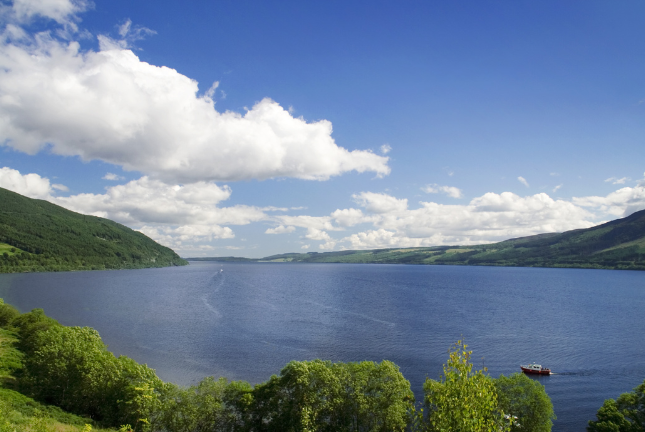
  • Visit Loch Ness
  • Explore Inverness
  • Travel through the Cairngorms
  • Enjoy Highland walks and viewpoints
Inspired by classic Scottish road trips

This route combines several of the spectacular Highland journeys that make Scotland such a favourite for motorhome touring.

Allow extra time for narrow roads, passing places, weather and photo stops. In the Highlands, a journey that looks short on a map can take considerably longer than you might expect.

North Wales motorhome road trip

North Wales

Discover mountains, castles, coastlines and spectacular Welsh roads. North Wales is ideal for a motorhome road trip, with plenty of opportunities to combine scenic drives with walks and sightseeing.

Recommended time 4–7 days
Estimated driving 180–250 miles

Areas of interest

  • Llangollen
  • Horseshoe Pass
  • Betws-y-Coed
  • Conwy
  • Eryri / Snowdonia
  • Caernarfon
  • Barmouth
  • Llyn Peninsula

Things to see and do

  • Llangollen and the canal
  • Drive the Horseshoe Pass
  • Explore Betws-y-Coed
  • Visit Conwy Castle
  • Visit Caernarfon Castle
  • Explore Yr Wyddfa / Snowdon
  • Visit Barmouth
  • Explore the Llyn Peninsula
  • Enjoy Welsh coastal walks
A route worth taking slowly

The Welsh roads are part of the attraction. Allow time to stop and enjoy the scenery rather than simply using the route to get from A to B.

Cornwall motorhome road trip

Cornwall

Take the long road west for a classic Cornwall motorhome adventure. Discover sandy beaches, rugged cliffs, fishing villages, harbours and some of the UK's most beautiful coastal scenery.

Recommended time 7–10 days
Estimated driving 250–350 miles

Areas of interest

  • Padstow
  • Port Isaac
  • St Ives
  • Land's End
  • Penzance
  • St Michael's Mount
  • Lizard Peninsula
  • Falmouth

Things to see and do

  • Explore Padstow
  • Visit Port Isaac
  • Spend time in St Ives
  • Visit Land's End
  • Explore Penzance
  • Visit St Michael's Mount
  • Explore the Lizard Peninsula
  • Visit Falmouth
  • Enjoy Cornish beaches
  • Walk the coastal paths
Allow a full week if you can

Cornwall is a long way to travel for a short break, and once you arrive there is plenty to explore. A week or more lets you see considerably more without spending every day behind the wheel.

Scottish scenic motorhome road trip

Loch Ness, Cairngorms & East Coast

Take a spectacular Scottish journey from Loch Ness through the Cairngorms and towards Scotland's east coast. This route is all about the driving, with mountain roads, lochs, forests and wide-open Highland scenery.

Recommended time 5–7 days
Estimated driving 250–350 miles

Areas of interest

  • Loch Ness
  • Inverness
  • Speybridge
  • Tomintoul
  • Cairngorms
  • Braemar
  • Blairgowrie
  • Scottish east coast

Things to see and do

  • Explore Loch Ness
  • Visit Inverness
  • Drive through the Cairngorms
  • Travel along the A939
  • Visit Braemar
  • Explore the Scottish east coast
  • Enjoy Highland forests and lochs
  • Stop at scenic viewpoints along the route
For drivers who love the journey

This route is less about ticking off attractions and more about enjoying some of Scotland's spectacular roads and landscapes.

Allow plenty of time. Mountain roads can be slower than expected, and you'll inevitably want to stop for photographs along the way.

Planning Your Motorhome Road Trip

► The mileage shown for each route is an estimated touring distance and is not intended to be an exact journey from Abacus Motorhomes.

► The recommended number of days allows time for sightseeing and exploring rather than simply driving between destinations.

► Always check road restrictions, weather conditions, vehicle dimensions and local parking restrictions before travelling.

► Some mountain and rural roads are narrow, steep or unsuitable for larger motorhomes. Plan your route in advance and allow extra time for slower driving.

Getting Ready for Your Motorhome Adventure

Hiring a motorhome gives you the freedom to explore at your own pace, but a little planning before you set off will help make your trip easier, more enjoyable and stress-free.

Here are some useful tips to help you choose your destination, plan your journey, prepare your motorhome and make the most of your time away.

01

Choose your destination

There are literally thousands of destinations to choose from, so a little bit of research will help ensure you find the right destinations for you.

Remember though, motorhomes are not able to park overnight on the roadside in most areas. Therefore, it is best to pre-book a campsite pitch.

First Night

Don’t book your first night on a site that is too far away. After collecting your motorhome, you’ll want to allow yourself plenty of time to get used to the vehicle and settle in.

Last Night

You need to be back with us by 10.30am, so give some thought to your last night’s camping. Most campsites, for example, have a locked-gate policy throughout the night. If you’re planning to be up and on the road by 5am, make sure you check that you won’t be locked in!

02

Plan your route

Satnav systems are all very well, but always check before leaving whether your chosen campsite suggests a particular route to the site.

If the campsite recommends a specific route, stick to it even if it doesn’t match your satnav’s directions. Campsites will often know about narrow roads, unsuitable routes, low bridges or other restrictions that may not be obvious when planning your journey.

Motorhome tip

Remember that the quickest route for a car isn’t always the best route for a motorhome. Allow extra time and check your route before you set off.

03

Pack everything you need

Unlike other hire companies, our prices include most of the things you’ll need at no extra cost.

You can see the full list of Included Extras by clicking here.

Bedding and towels are available to hire, or you can bring your own. You can see the full list of Optional Extras by clicking here.

Pack smart

A motorhome gives you plenty of useful storage, but it is still worth thinking about what you actually need before you travel. Avoid over-packing so that everything has its own place and remains easy to access.

04

Driving

When you’re out and about, you’ll need to give yourself more time and space for everything.

  • It’s best to brake earlier than normal and accelerate more slowly than you would in a car.
  • The extra length of your motorhome means you will need to take corners more widely than normal so the back doesn’t clip the kerb or cut the corner.
  • A motorhome is a high-sided vehicle, so be aware of high winds and remember the buffering a motorhome can cause when overtaking cyclists, motorbikes and horses.
  • If you find traffic is building up behind you, pull over at a lay-by or other suitable place and let the other vehicles pass.
  • Legal speed limits may be lower than in a car. Check before you set off.
  • Take advantage of the comfortable, high driving position and build your confidence by driving steadily.
  • Look out for low-hanging branches and other overhead obstructions.
Take your time

You don’t need to rush. Give yourself plenty of time, maintain a good distance from other vehicles and remember that driving a motorhome is different from driving a car.

05

Parking when out and about

Parking is easier with the motorhome’s well-placed mirrors, but you still need to take care when choosing where to park.

  • Park carefully where you won’t cause an obstruction.
  • Many car parks have height barriers, so remember to check how tall your motorhome is. All our motorhomes have the height displayed on the windscreen.
  • Ensure you have enough space around you to manoeuvre the vehicle easily. Use the motorhome’s well-placed mirrors and consider asking your passenger to guide you from outside the vehicle.
  • Supermarket car parks are often ideal as they are large and usually in a convenient location.
  • Remember that motorhomes are generally not allowed to remain in car parks overnight.
Check your surroundings

Before leaving the vehicle, take a moment to check the space around you and make sure you can safely get back out again.

06

Choosing a pitch

If you have a choice of pitch, it’s always worth taking time to decide where you’d like to stay.

  • Do you want to be near the amenities? It could be convenient for trips to the loo or washing up, but can also lead to more people walking around your pitch.
  • If you have small children, you may want to be close to the children’s play area, but remember that other children may be playing there when yours are trying to sleep.
  • Hedges and other motorhomes can offer shelter from high winds on exposed sites.
  • Trees can offer shade, but they can also drip sap over your motorhome and belongings. Rainwater can also drip from trees long after a storm has finished.
  • Choose flat, hardstanding ground wherever possible. This means you won’t need to use the ramps under your wheels to level the motorhome.
  • Rainwater has to go somewhere, so try to make sure it doesn’t travel or sit outside the front door of your motorhome.
Choose your pitch carefully

A few minutes spent choosing the right pitch can make a big difference to how comfortable your stay is.

Enjoy yourselves!

Most importantly, relax, enjoy the freedom of the open road and make the most of your motorhome adventure.