

Abacus Motorhomes
Motorhome Winterisation Guide
Abacus Motorhomes Advice Hub
As temperatures drop, a little preparation can help protect your motorhome from frost, damp and the problems that can arise when it is left unused over winter.
From draining the water system to looking after your batteries, tyres and interior, use our practical guide to prepare your motorhome for winter storage and make getting back on the road easier in spring.
Winterising is about more than simply parking your motorhome and locking the door. Cold weather, moisture and long periods without use can affect water systems, batteries, tyres and interior fittings.
The right preparation depends on your motorhome, its equipment and where you intend to store it. Always follow the instructions supplied by your vehicle and appliance manufacturers.
1. Why Is Winterising Your Motorhome Important?
Water left in pipes, taps, pumps or boilers can freeze and potentially cause expensive damage. Damp can build up inside a closed vehicle, while batteries may lose charge during periods of inactivity.
Preparing your motorhome properly can help you:
- Reduce the risk of frost damage to the water system.
- Keep the interior clean, dry and well ventilated.
- Look after the leisure and starter batteries.
- Reduce the risk of avoidable problems when you return to touring.
2. Choose the Right Winter Storage Location
Where you store your motorhome can make a difference. If possible, choose a secure, well-drained location with good ventilation and enough space to carry out periodic checks.
- Choose a secure parking or storage area.
- Check whether your insurance policy has any storage requirements.
- Avoid locations where water regularly pools around the vehicle.
- If using a cover, make sure it is designed for motorhomes and suitable for the conditions.
- Keep access clear so you can inspect the vehicle during storage.
Top tip: A breathable, correctly fitted motorhome cover may help protect the exterior. Avoid materials or fitting methods that trap moisture or rub against the bodywork.
3. Drain the Water System
This is one of the most important parts of winterising a motorhome. Water trapped in pipes, taps, pumps, filters or a water heater can freeze and expand, potentially damaging components.
Use the procedure in your motorhome handbook and the instructions for your specific water heater and plumbing system. Systems differ between makes and models.
Fresh water and pipes
- Empty the fresh-water tank as directed by the manufacturer.
- Open the designated drain points and low-point drains where fitted.
- Drain the water pipes using the procedure specified for your system.
- Empty external hoses and disconnect them for storage.
- Check whether your system has filters that need draining or removing.
Taps, shower and pump
- Follow the manufacturer's procedure for taps and shower fittings.
- Make sure the water pump and any associated components are prepared for storage as instructed.
- Check the handbook for any special instructions about mixer taps, filters or internal water lines.
Water heater and boiler
- Switch off the water heater and allow it to cool as instructed.
- Use the manufacturer's specified drain procedure.
- Confirm that the correct drain valve has been opened and the system has emptied as intended.
- Never assume the boiler is empty simply because the taps have stopped running.
Important: Do not use automotive antifreeze in a drinking-water system. Only use products specifically approved for the system by its manufacturer, and only where the instructions permit them.
4. Look After Your Batteries and Electrics
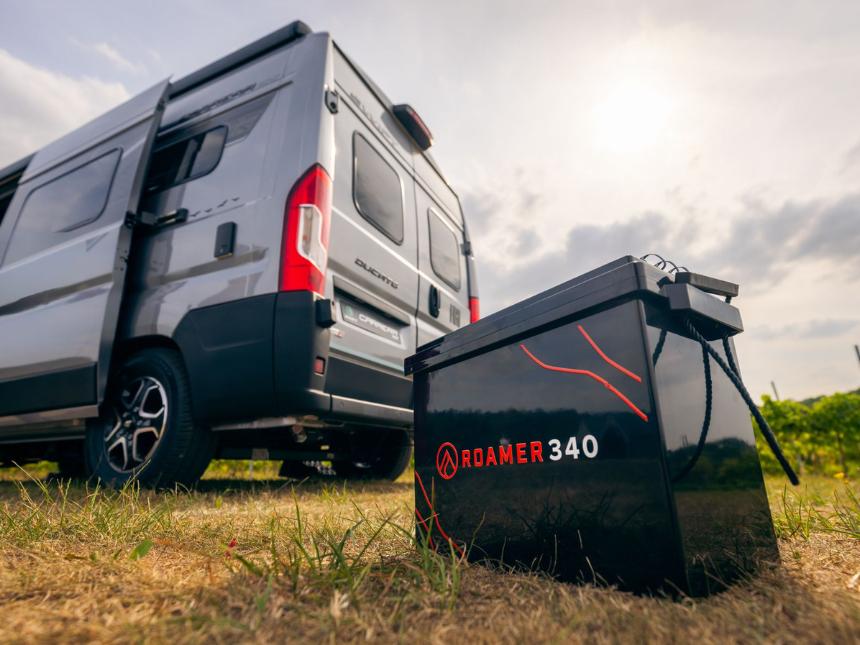
Motorhomes may have a starter battery, a leisure battery or a more advanced lithium battery system. The correct storage procedure depends on the battery chemistry and the equipment fitted to your vehicle.
Leisure battery
- Check the battery manufacturer's instructions for long-term storage.
- Turn off unnecessary electrical equipment and avoid leaving accessories running.
- Use a suitable charger or maintenance system if recommended.
- For lithium batteries, follow the manufacturer's guidance on storage charge, charging temperature and any battery management system settings.
Starter battery
- Check the vehicle handbook for advice on periods of inactivity.
- Use only an appropriate battery maintainer if required.
- If disconnecting a battery, follow the vehicle manufacturer's procedure to avoid affecting electronic systems.
Remember: Lithium batteries must not automatically be treated the same as lead-acid batteries. Follow the instructions for your exact battery and charging equipment.
5. Prepare the Interior and Prevent Damp
A clean, dry interior is easier to maintain through winter. Food residue, damp fabrics and poor ventilation can encourage unpleasant smells, mould or pests.
- Remove food, rubbish and anything that could attract pests.
- Clean the kitchen, bathroom, fridge and storage cupboards.
- Dry damp surfaces and fabrics before closing the vehicle up.
- Check visible seals around windows, rooflights and doors.
- Remove valuables and items that could be damaged by cold or moisture.
- Leave ventilation arrangements as recommended by the manufacturer.
- Check the interior periodically for condensation, leaks or signs of damp.
If you use a moisture absorber, choose one suitable for the space and position it securely. It should not replace ventilation or investigation of any underlying leak.
6. Check the Exterior, Tyres and Vehicle
Before leaving your motorhome unused, take a walk around the outside and check for anything that needs attention.
Exterior checks
- Inspect the bodywork, roof, windows and visible seals for damage.
- Make sure doors, windows and external lockers close securely.
- Remove dirt and organic debris where practical.
- Check that external connections and access covers are secure.
- Look for any signs of leaks or water ingress.
Tyres and vehicle maintenance
- Inspect tyres for visible damage and check pressures against the manufacturer's guidance.
- Follow the handbook's advice for reducing tyre stress during long periods of parking.
- Check engine oil, coolant and screenwash as appropriate for your vehicle.
- Follow the vehicle manufacturer's guidance for periodic movement or starting.
- Follow the recommended parking and handbrake procedure for your vehicle and storage location.
7. Prepare Heating, Gas and Appliances
Different motorhomes have different heating, cooking, refrigeration and hot-water systems. Check the instructions for each appliance before putting the vehicle into storage.
- Switch off appliances and isolate supplies as directed by their manufacturers.
- Follow the appliance instructions for winter storage and frost protection.
- Turn off and store gas cylinders in accordance with the relevant instructions and safety requirements.
- Keep ventilation openings clear.
- Do not attempt to repair gas appliances yourself if you are not qualified to do so.
Gas safety: If you smell gas or suspect a leak, turn off the supply if safe to do so, avoid ignition sources and seek qualified assistance. Do not use faulty appliances.
8. Your Interactive Motorhome Winterisation Checklist
Work through the list below before putting your motorhome away. Tick off each task as you complete it, and print the checklist for your records.
Start checking off your winter preparation tasks below.
Storage and preparation
Water system
Batteries and electrics
Interior and damp
Exterior and vehicle
Appliances and final checks
Please note: This is a general checklist, not a substitute for your motorhome handbook. Some tasks may not apply to your vehicle, and certain systems require specific procedures.
9. Getting Your Motorhome Ready for Spring
When the weather warms up and you are ready to travel again, take time to recommission your motorhome before setting off.
- Restore the water system using the manufacturer's instructions.
- Clean and sanitise the water system as recommended.
- Check for leaks before using taps, showers or hot water.
- Check the starter and leisure batteries.
- Inspect tyres, lights, brakes and vehicle fluids.
- Test appliances and heating systems according to their instructions.
- Check gas appliances and arrange qualified help if you suspect a fault.
- Check that all storage covers, chocks and accessories have been removed before driving.
10. Motorhome Winterisation FAQs
Do I need to drain my motorhome water system over winter?
If your motorhome will be exposed to freezing temperatures, follow the manufacturer's winterisation instructions. This commonly involves draining designated tanks, pipes and water-heating components, but the exact process depends on the system fitted.
Should I leave my motorhome plugged into the mains?
That depends on your charger, battery type and vehicle. Follow the instructions for your specific electrical system and use only suitable charging equipment.
Can I use a motorhome cover in winter?
A suitable breathable cover can offer protection, provided it is designed for the vehicle and fitted according to its instructions. Check periodically for trapped moisture or rubbing.
How often should I check my motorhome during storage?
Follow your storage provider's requirements, insurance conditions and vehicle manufacturer's recommendations. Periodic checks can help identify leaks, damp, battery issues or other problems early.
Can I leave the heating on to prevent frost damage?
Do not rely on heating alone to protect the water system. Follow the manufacturer's frost-protection and storage instructions, especially if the vehicle may lose power or experience very low temperatures.
Need Help Preparing Your Motorhome?
Whether you're preparing for winter storage or planning your next touring adventure, the Abacus Motorhomes team can help you find the right advice for your vehicle.
```